
Elevated Potassium


What Can Cause High Potassium?
Potassium is a mineral your body needs, but too much of it can be dangerous. Here are five common reasons why potassium might be high:
- Lab Test Error (False High) Retest and notify the clinic.
Sometimes, potassium looks high on a blood test because the blood sample was handled roughly or taken incorrectly. This can cause red blood cells to break, which releases potassium and gives a false result. - Eating Too Many High-Potassium Foods – Reduce high potassium foods.
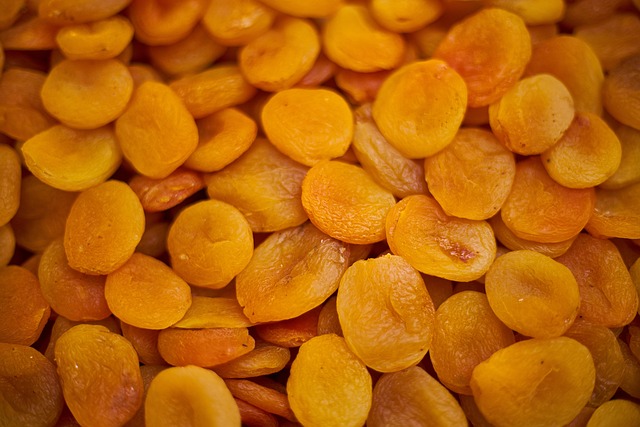
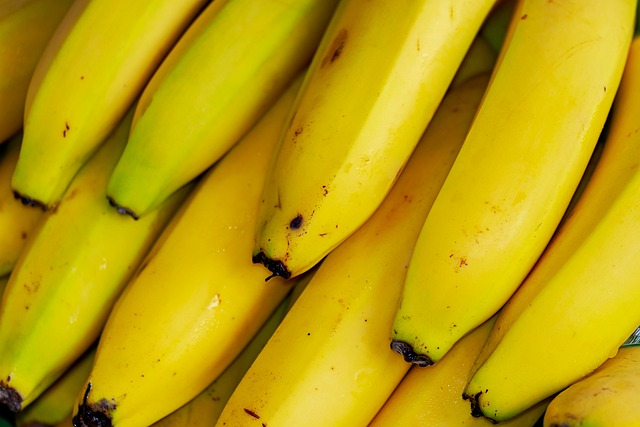
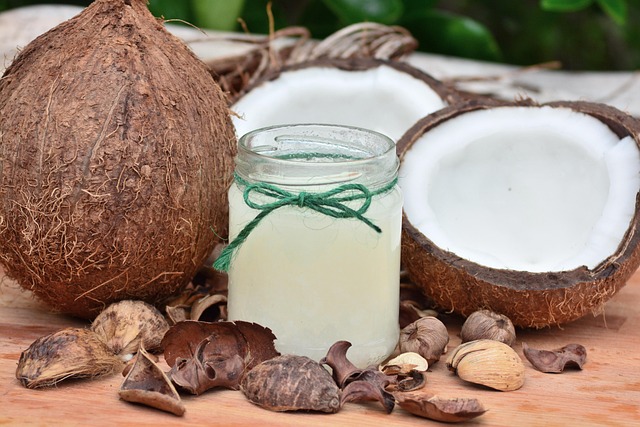
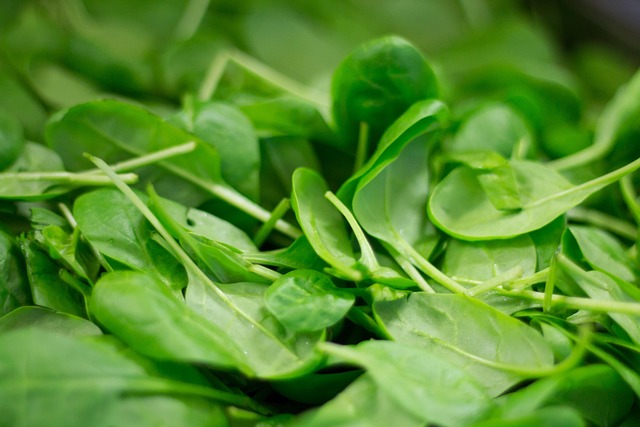
Foods like bananas, dried fruits, potatoes, spinach, and coconut water are healthy—but if you eat a lot of them, especially with kidney problems, potassium can build up in your blood. - Some Medications and Supplements – please advise you practitioner if you are taking any of the following medications.
Certain medicines can make your potassium go up, like: - Blood pressure tablets (e.g. ramipril, losartan)
- Water tablets that keep potassium in (e.g. spironolactone)
- Anti-inflammatories (e.g. ibuprofen)
- Avoid all supplements with potassium, including electrolytes, alkalising minerals and magnesium potassium powders
- Kidney Problems
Your kidneys help remove extra potassium. If they’re not working well, potassium can stay in your body and rise to unsafe levels.
Top 15 High-Potassium Foods and Drinks
|
Food/Drink |
Potassium (mg per serving) |
Serving Size |
|
Beet Greens (cooked) |
~1,300 mg |
1 cup |
|
Dried Apricots |
~1,100 mg |
½ cup |
|
White Beans (cooked) |
~1,000 mg |
1 cup |
|
Avocado |
~975 mg |
1 whole (medium) |
|
Baked Potato (with skin) |
~925 mg |
1 medium |
|
Spinach (cooked) |
~840 mg |
1 cup |
|
Lentils (cooked) |
~730 mg |
1 cup |
|
Tomato Paste (canned) |
~670 mg |
¼ cup |
|
Coconut Water |
~600–650 mg |
1 cup (240 ml) |
|
Sweet Potato (baked) |
~540 mg |
1 medium |
|
Yogurt (plain, low-fat) |
~575 mg |
1 cup |
|
Banana |
~420–450 mg |
1 medium |
|
Pomegranate (whole) |
~666 mg |
1 fruit |
|
Orange Juice |
~500 mg |
1 cup |
|
Edamame (cooked) |
~675 mg |
1 cup |
Rachael Reed, balancing hormones, Naturally.