
Blastocystis – Patient Information Sheet



What is Blastocystis?
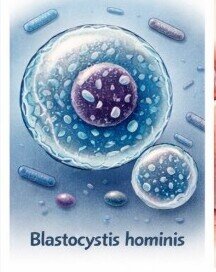
Blastocystis (often called Blastocystis hominis) is a common intestinal protozoan parasite found worldwide. While some people carry it without symptoms, in many individuals it can disrupt digestion, nutrient absorption, gut immunity, and overall wellbeing.
Sources of Exposure
Blastocystis is transmitted via the faecal–oral route. Common sources include:
-
Contaminated water (including untreated, tank, well, or overseas water)
-
Food washed or prepared with contaminated water
-
Poor hand hygiene
-
Travel, especially to developing countries
-
Contact with animals (pets, farm animals)
-
Day-care or household spread
Once ingested, Blastocystis can colonise the gastrointestinal tract.
How Blastocystis Affects the Gut
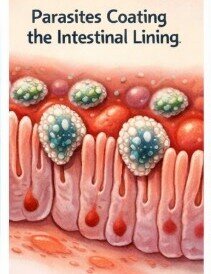
1. Coating & Irritating the Bowel Lining
Blastocystis can adhere to and coat the intestinal lining, contributing to:
-
Irritation and low-grade inflammation
-
Disruption of the gut barrier
-
Increased intestinal permeability (“leaky gut”)
This irritation interferes with normal digestive and absorptive processes.
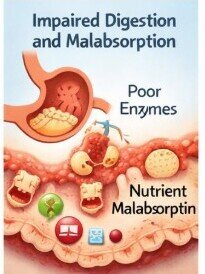
2. Impaired Digestion & Nutrient Absorption
Blastocystis can:
-
Interfere with digestive enzyme activity
-
Reduce the ability to properly break down food
-
Impair absorption of key nutrients (e.g. iron, B vitamins, magnesium)
When food is not fully digested, it passes into the colon partially broken down.
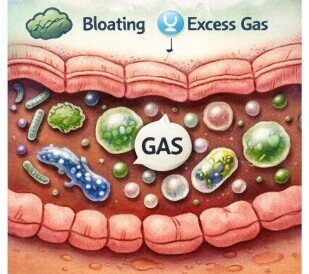
3. Excess Gas & Bloating
Undigested food becomes fuel for gut bacteria, leading to:
-
Fermentation
-
Production of gas (hydrogen, methane)
-
Bloating, abdominal pressure, belching, flatulence
-
Symptoms similar to IBS
Common Symptoms of Blastocystis
Digestive Symptoms
-
Bloating and gas
-
Abdominal pain or cramping
-
Diarrhoea, constipation, or alternating bowel habits
-
Nausea
-
Food sensitivities
-
Feeling overly full after meals
Skin Symptoms
Blastocystis can trigger immune and histamine-related reactions, including:
-
Generalised skin itching
-
Rashes or hives
-
Eczema flares
-
Unexplained skin irritation without a clear external cause
Mood & Nervous System Symptoms
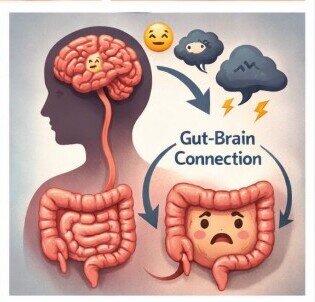
Through the gut–brain axis, Blastocystis may contribute to:
-
Irritability
-
Anxiety
-
Low mood or depressive symptoms
-
Brain fog
-
Fatigue
-
Poor stress tolerance
These effects may be driven by inflammation, nutrient depletion, and microbial by-products.
Why Treatment Must Be Done in Cycles
Blastocystis Has a Spore (Cyst) Form
Blastocystis exists in different life stages, including resistant cysts (spores) that:
-
Are not always affected by treatment
-
Can survive harsh conditions
-
Can “reactivate” after initial treatment
Cyclical Treatment Is Important
For this reason, naturopathic treatment is often done in cycles, which allows:
-
Targeting of active organisms
-
Time for spores to convert into treatable forms
-
Reduced risk of reinfection or relapse
-
Better tolerance of treatment by the patient
This approach is more effective than a single short treatment.
Supporting the Body During Treatment
A comprehensive approach often includes:
-
Antimicrobial herbs or nutrients (cycled)
-
Digestive enzyme support
-
Gut lining repair
-
Microbiome support
-
Dietary adjustments to reduce fermentation
Key Takeaway
Blastocystis can:
-
Disrupt digestion and nutrient absorption
-
Increase gas through bacterial fermentation
-
Affect skin health and mood
-
Persist unless treated thoughtfully and in cycles due to spore forms
With appropriate naturopathic care, many patients experience significant improvement in digestive comfort, energy, skin, and mood.
Rachael Reed, balancing hormones, Naturally.